Facial Fat Transfer
Fat Grafting Injections in Seattle, WA
A fat grafting, or fat transfer procedure, permits the use of your own fat as a long-lasting soft tissue filler for facial rejuvenation. Loss of facial volume is an early sign of facial aging. Volume from the upper cheeks moves to the lower face in the aging face. This volume redistribution toward the lower portion of the face will create deep lines, sagging cheeks and jowls. The trend in facial cosmetic surgery at this time is to add volume to regions of the face that have lost volume. This is distinct from older paradigms that emphasized ‘tightening’ the facial skin envelope and ignoring the volume depletion that creates facial aging.
With facial fat grafting, amazing changes can be made to regions of facial aging, including the zones around and below the eyes, near the brows and cheeks and along the lines between nose and mouth.
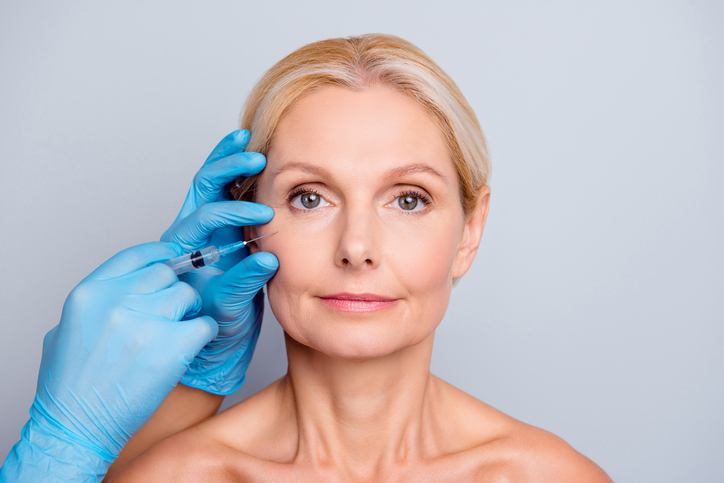
The surgeons at Sound Plastic Surgery use fat grafting injections to improve facial volume. During a fat grafting procedure, fat is removed from regions such as the neck, abdomen or thighs with a specialized liposuction procedure. The fat is then processed and re-injected into the face to dramatically improve facial volume. Facial injections are done through tiny needle holes in the face which do not create noticeable scars. Fat injections have the additional benefit of improving the overlying skin quality. The fat injection procedure can be done under local anesthesia in our office, or can be done during a facelift or browlift procedure.
The cost for a fat grafting procedure for facial rejuvenation is about the same as several syringes of temporary facial filler. Many patients choose the fat grafting option because, over time, it is more cost effective then repeating temporary facial filler injections like Voluma, Restylane and Juvederm.
At Sound Plastic Surgery, our goal for every fat grafting procedure is a substantially improved facial contour. Our Seattle area patients have given us amazing reviews for our fat grafting results.
Why More Seattle Patients Are Choosing Facial Fat Grafting
Facial fat grafting has become one of the most sought-after rejuvenation options for Seattle patients who want soft, natural, and long-lasting results. Unlike temporary fillers that gradually dissolve, fat transfer uses your own tissue to restore volume where aging has caused hollowing or deflation. Because the fat integrates naturally with your facial structures, the refreshed appearance looks smooth and authentic rather than overfilled or artificial. Many patients also appreciate that fat transfer avoids the use of implants or synthetic materials and that it offers regenerative benefits. The stem cells contained within the transferred fat can help improve the brightness, texture, and overall quality of the skin long after the procedure is complete.
As the face ages, fat pads shift, shrink, and descend, creating hollow areas beneath the eyes, flatter cheeks, more pronounced folds around the mouth, early jowling, and loss of definition along the jawline. Facial fat grafting allows our surgeons to restore youthful proportions with precision. Instead of simply pulling or tightening the skin, this modern approach replenishes the volume that gives the face its youthful shape. When combined with procedures such as a facelift, eyelid lift, or brow lift, fat grafting enhances balance and harmony by adding fullness where it has diminished over time.
Areas Commonly Enhanced With Fat Transfer
Fat grafting is incredibly versatile, making it a powerful tool for comprehensive facial rejuvenation. Patients often seek fat transfer to address under-eye hollowing, where a loss of fat creates dark shadows or a tired appearance. The cheeks are another highly requested area, as restoring volume here lifts the midface and creates a more youthful contour. Many patients choose fat grafting to soften deeper folds near the mouth or to improve the appearance of early jowling by enhancing the jawline. Others request subtle improvement to the lips or temples, areas that naturally hollow and contribute to an aged appearance. Because each patient’s aging pattern is different, your surgeon will design a customized plan that enhances your natural facial structure and supports long-lasting results.
What to Expect During the Fat Grafting Procedure
The fat grafting process begins by gently harvesting fat from a donor area such as the abdomen, thighs, flanks, or lower back. Only a small amount of fat is required for facial rejuvenation, and the donor area often benefits from the slight contouring effect created during the process. After the fat is carefully collected, it is purified using specialized techniques to ensure that only the healthiest fat cells are re-injected. This purification step is crucial for achieving smooth and durable results.
Once purified, the fat is injected into the face using a microdroplet technique that distributes tiny amounts of fat in multiple layers. This meticulous approach helps create natural contours while improving the likelihood that the transferred fat will establish a long-term blood supply. Most patients are pleasantly surprised by the short recovery time. Swelling and mild bruising are expected during the first several days, and many patients return to work after a week. There are no visible facial scars, as the injections are performed through tiny needle openings that heal quickly.

Benefits of Fat Grafting: Long-Lasting, Natural Facial Rejuvenation
One of the greatest benefits of facial fat grafting is the longevity of the results. Once the transferred fat forms a stable blood supply, it becomes a lasting part of the facial structure. Many patients enjoy their improvements for years, making fat grafting a cost-effective and sustainable alternative to frequent filler appointments. Patients also appreciate the improvements in skin smoothness and overall quality that emerge as the regenerative cells within the fat enhance the treated areas. For individuals undergoing facelift, brow lift, or eyelid surgery, combining fat grafting with those procedures often leads to more balanced and youthful transformation.
Why Choose Sound Plastic Surgery for Fat Grafting in Seattle?
The surgeons at Sound Plastic Surgery have extensive experience in both surgical and non-surgical facial rejuvenation. Their deep understanding of facial anatomy and aging patterns ensures that every fat grafting treatment is performed with precision, artistry, and a focus on natural-looking results. Patients consistently share that their outcomes look refreshed rather than altered, and that the restored volume enhances their facial character without creating the overdone look that can sometimes result from multiple filler treatments.
Frequently Asked Questions About Fat Grafting Injections
What is facial fat grafting?
Facial fat grafting, also called fat transfer, is a cosmetic procedure in which your own fat is used to restore facial volume, smooth lines, and improve facial contours. It is a natural alternative to dermal fillers and provides long-lasting rejuvenation.
How long do facial fat grafting results last?
The results can last for many years once the transferred fat develops a stable blood supply. Because a portion of the fat becomes permanent, the improvement typically lasts significantly longer than traditional fillers.
Where is the fat taken from?
Fat is most commonly harvested from areas such as the abdomen, thighs, or flanks. Only a small amount is needed, and the donor site often appears more contoured afterward.
Which areas of the face can benefit from fat transfer?
Patients commonly use fat grafting to rejuvenate the under-eyes, cheeks, temples, lips, jawline, and facial folds. The treatment improves any area where age-related volume loss has occurred.
Is the procedure painful?
Most patients report only mild discomfort. The treatment can be performed with local anesthesia in the office or combined with a surgical procedure under deeper sedation, making it well-tolerated.
How much downtime is typical?
Most patients feel comfortable resuming their usual routines within a few days. Swelling and bruising improve steadily over one to two weeks.
Is fat grafting better than dermal fillers?
Fat grafting offers long-term results and can be more cost-effective over time. While fillers are useful for temporary or very precise enhancements, fat transfer is ideal for patients seeking natural, durable facial rejuvenation.
Can fat grafting be combined with other facial procedures?
Yes. Many patients combine fat grafting with facelift, brow lift, or eyelid surgery to achieve comprehensive and balanced facial rejuvenation.
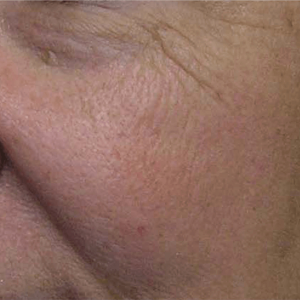
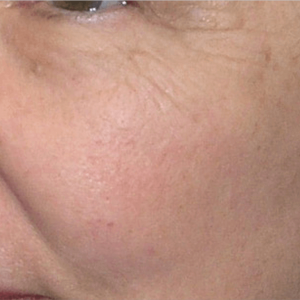
Gallery
Facial Surgery Before & After